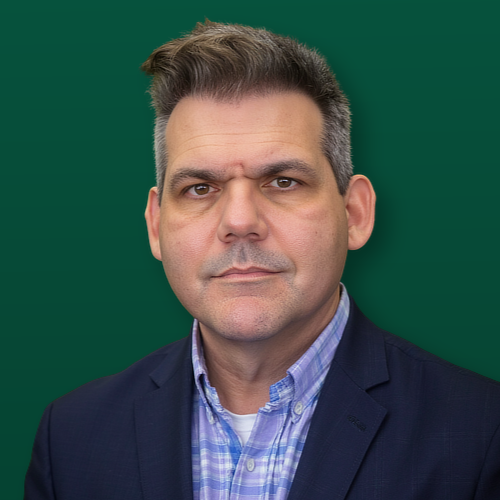
Susan Robinson
she/herLicensed Clinical Social Worker (LCSW)

 Stress / Mental Stress / Work Stress, Life Transition, Trauma / PTSD, School Issues, Self Esteem, Seniors & Geriatric, Social Anxiety, Panic Attack, Peer Relationships, Marital & Premarital
Self pay costs
Out-of-pocket session costs for clients who don’t have insurance or aren’t covered by their insurance for mental health services.
Dr. Susan Robinson, Ph.D., LCSW, is a Licensed Clinical Social Worker providing psychotherapy to adults in Georgia. She holds a non-clinical Ph.D. in Performance Psychology, bringing a unique perspective that integrates evidence-based mental health treatment with principles of resilience, performance, and personal growth.
Dr. Robinson utilizes a trauma-informed, strengths-based approach that incorporates Cognitive Behavioral Therapy (CBT) and performance psychology strategies to help clients build insight, develop effective coping skills, and achieve meaningful, lasting change. She believes in creating a supportive, collaborative therapeutic environment where clients feel empowered to overcome challenges and reach their personal goals.
Her clinical interests include supporting individuals recovering from personal injuries, as well as those experiencing anxiety, depression, grief, trauma, and significant life transitions. Dr. Robinson is committed to helping clients restore emotional well-being, strengthen resilience, and improve overall functioning while navigating life's most difficult experiences.


"I am committed to helping clients restore emotional well-being, strengthen resilience, and improve overall functioning while navigating life's most difficult experiences."
Why did you decide to become a counselor or psychiatric provider?
I work best with clients who are ready to make meaningful changes in their lives, even if they’re not sure where to start. Many of my clients are navigating trauma, anxiety, depression, or life transitions, and are seeking a safe space to process their experiences and regain control of their emotions. I also work closely with personal injury clients coping with emotional distress after accidents, as well as professionals and athletes who face performance-related stress, burnout, and pressure in high-demand environments.
My ideal clients are those who value collaboration and are open to learning practical tools that support healing and growth. Whether someone is rebuilding after trauma, striving to improve performance, or simply seeking balance, I meet them where they are—with empathy, respect, and a shared commitment to progress.
What's one thing you wish all clients knew about therapy, mental health, or the healing process?
One thing I wish all clients knew is that healing is not a straight line—it’s a journey that takes time, patience, and compassion for yourself. Progress often happens in small steps, and every step forward, no matter how small, matters. Therapy isn’t about being “fixed”; it’s about learning to understand yourself, develop healthier ways of thinking and coping, and build a stronger sense of self.
I also want clients to know that it’s completely normal to feel uncertain or vulnerable when beginning therapy. Those feelings are part of the process of growth. With consistency, trust, and collaboration, real and lasting change can happen—and you don’t have to walk that journey alone.
What can clients expect in their first session with you and in the early stages of therapy?
In our first session, clients can expect a calm, welcoming, and judgment-free space to share what’s been going on in their lives. We’ll spend time discussing your goals, current challenges, and what you hope to gain from therapy. I’ll also ask some background questions to better understand your experiences, strengths, and support system. This helps us create a treatment plan that fits your specific needs and pace.
During the early stages of therapy, I focus on building trust and helping you feel comfortable. Together, we’ll begin identifying patterns in your thoughts and behaviors, explore coping strategies, and set realistic goals for progress. My approach is collaborative—meaning we work as a team to help you feel more in control of your emotions, improve daily functioning, and move toward a healthier, more balanced version of yourself
What personal experiences or values inform your practice as a therapist/provider?
My practice is shaped by both my personal values and professional experiences that have shown me how deeply resilience and healing are connected. I value empathy, authenticity, and collaboration, and I believe that lasting change happens when clients feel genuinely seen and supported.
Through my years of working with individuals facing trauma, life transitions, and performance pressures, I’ve learned that people often underestimate their own strength. That belief fuels my commitment to helping clients rediscover their confidence and sense of purpose. My background in performance psychology also influences my work—I approach therapy as both a healing and growth process, helping clients build the emotional tools needed to perform and live at their best.
Above all, I value creating a safe, trusting environment where clients feel empowered to explore, heal, and move forward at their own pace.
How do you tailor therapy to meet each client’s unique needs?
I believe that therapy should never be “one size fits all.” Each client brings their own story, strengths, and goals to the process, so I take time to truly understand who they are and what they need. I use Cognitive Behavioral Therapy (CBT) and Trauma-Focused CBT as a foundation but adapt my approach to fit each individual’s personality, background, and pace.
For some clients, this may include incorporating mindfulness, relaxation, or grounding techniques to manage stress and anxiety. For others—such as athletes, professionals, or personal injury clients—we may focus more on performance, recovery, or emotional resilience. My goal is to meet clients exactly where they are, providing a balance of structure, empathy, and practical tools that promote healing, confidence, and lasting change.
- Years in practice
- 22 years
- Graduating institute
- University of Tennessee at Knoxville
- Graduating degree
- Master of Science in Social Work