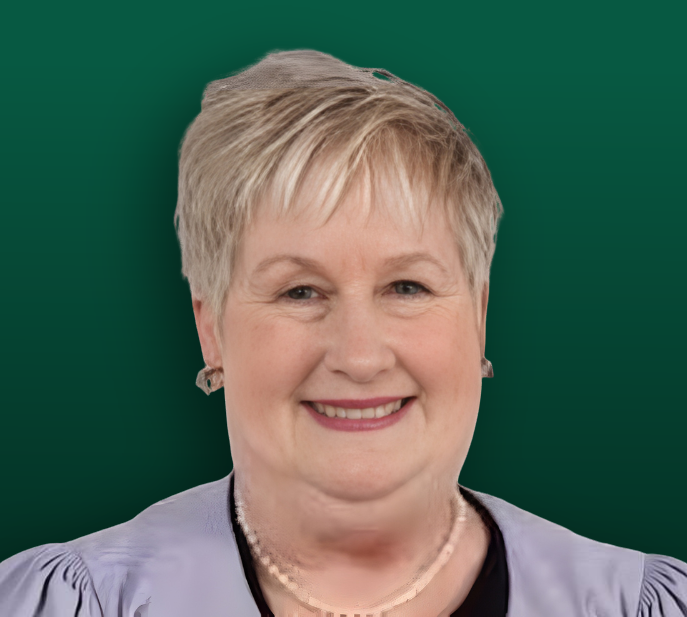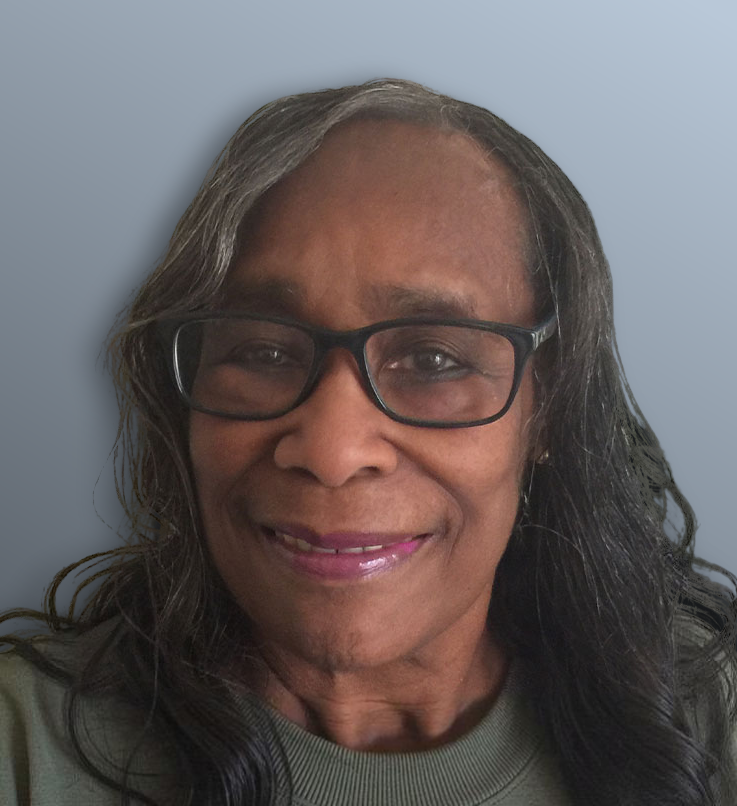
Angela Wingers
she/herLicensed Professional Counselor (LPC)

 Eating Disorder, Mood Disorders, Trauma / PTSD, Self Esteem, Depression, Anxiety
Self pay costs
Out-of-pocket session costs for clients who don’t have insurance or aren’t covered by their insurance for mental health services.
I believe that everyone has a story worth hearing and that healing begins in a safe, supportive, and nonjudgmental environment. As a Licensed Professional Counselor (LPC) and National Certified Counselor (NCC), I earned my Master of Science in Mental Health Counseling from Mercer University and my Bachelor of Science in Psychology from Georgia State University, graduating summa cum laude. I enjoy working with adults facing anxiety, depression, trauma, PTSD, grief, and life transitions. Together, we'll build on your strengths and work toward lasting growth and healing. I especially welcome veterans.
I believe healing begins with feeling heard. My approach is compassionate, collaborative, and tailored to your unique needs. Using evidence-based techniques, I help clients develop practical coping skills, build resilience, process difficult experiences, and move toward lasting emotional wellness.
Change is possible, and healing begins one step at a time. Whether you're facing a difficult season or seeking personal growth, I would be honored to support you on your journey. I look forward to working with you.


"With experience comes perspective. I listen without judgment, think critically, and believe every person's story deserves to be heard."
Why did you decide to become a counselor or psychiatric provider?
I chose this profession because I have always been drawn to helping others navigate life's challenges. I believe people are stronger than they realize, and I find it deeply rewarding to help clients recognize their strengths, overcome obstacles, and create meaningful change.
What types of clients do you work best with?
I work best with clients who are motivated to engage in the therapeutic process, even if they feel uncertain or ambivalent at first. I’m especially effective with individuals experiencing anxiety, depression, substance use recovery, life transitions, and trauma. I enjoy working with clients who benefit from a structured, supportive, and collaborative approach.
What's one thing you wish all clients knew about therapy, mental health, or the healing process?
One thing I wish all clients knew is that healing is rarely linear. Progress often happens in small steps, and setbacks are a normal part of the process—not a sign that therapy isn’t working. Struggling in therapy doesn’t mean you’re doing it wrong; it often means you’re doing important work. Growth can feel uncomfortable, but that discomfort is often part of meaningful, lasting change.
What can clients expect in their first session with you and in the early stages of therapy?
In the first session, clients can expect a supportive, welcoming space where we begin by getting to know each other and understanding what brought them to therapy. We’ll talk about current concerns, relevant history, and what they hope to gain from the process, and we’ll start identifying initial goals together. In the early stages of therapy, sessions are focused on building trust, gaining clarity around patterns and challenges, and beginning to develop practical coping tools. My approach is collaborative and paced to each person’s comfort level, with the goal of creating a foundation where clients feel safe, understood, and supported as they begin working toward meaningful change.
What personal experiences or values inform your practice as a therapist/provider?
I bring a deep respect for people’s resilience and the challenges they’ve faced into my work. I value creating a space that feels safe, honest, and supportive, where clients can show up as they are without judgment. I believe meaningful change happens when people feel seen, heard, and supported in a genuine therapeutic relationship.
How do you tailor therapy to meet each client’s unique needs?
I tailor therapy by really listening to each client’s story, goals, and what they feel they need most in the moment. Therapy is collaborative, so I adjust my approach based on their pace, comfort level, and what feels most helpful to them, whether that’s building coping skills, increasing insight, or focusing on emotional support.
- Years in practice
- 4 years
- Graduating institute
- Mercer University
- Graduating degree
- Master of science in clinical mental health counseling