
Madison Dearman
she/herCounselor (Registered Mental Health Intern)

 Addiction, Anxiety, Depression, Obsessive-Compulsive Disorder (OCD), Trauma / PTSD, Life Transition
Self pay costs
Out-of-pocket session costs for clients who don’t have insurance or aren’t covered by their insurance for mental health services.
My approach is trauma-informed and grounded in Cognitive Behavioral Therapy (CBT) and Acceptance and Commitment Therapy (ACT). I help you understand how experiences shape your beliefs, values, and behaviors and show up in your life today. Together, we build insight, challenge what no longer serves you, and create meaningful change. When appropriate, I use ART to process trauma.
My approach is trauma-informed and grounded in Cognitive Behavioral Therapy (CBT) and Acceptance and Commitment Therapy (ACT). I help clients understand how experiences shape their beliefs, values, and behaviors, using that insight to create lasting change. When appropriate, I incorporate Accelerated Resolution Therapy (ART) to support trauma healing.
Therapy doesn’t require the right words or a clear plan—just openness and a willingness to start. I encourage clients to come as they are, ask questions, and remain open to new perspectives and challenges. Change rarely happens all at once, but it starts somewhere. If you’re ready to take that first step, I invite you to schedule an appointment.

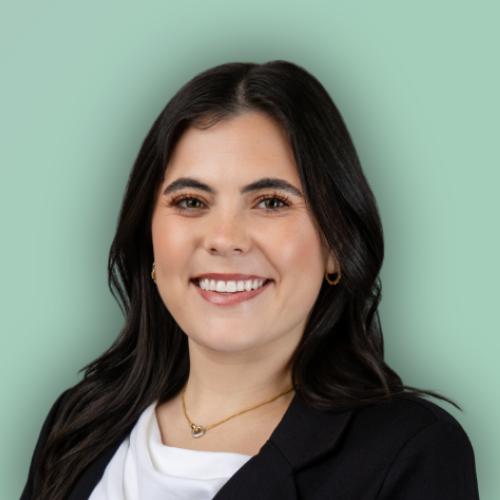
"My personal and professional experiences have shaped my trauma-informed approach and my belief that while our experiences influence who we are, they do not have to define us; by understanding the patterns behind our behaviors and reconnecting with what we value most, we can begin making choices that reflect the life we want to live."
Why did you decide to become a counselor or psychiatric provider?
My own experience with therapy gave me an early appreciation for how meaningful it can be to feel genuinely heard, supported, and understood, and it played an important role in my decision to become a counselor. What continues to make this work so meaningful to me is the therapeutic relationship. I genuinely love working with people and having the opportunity to walk alongside clients through their wins, challenges, setbacks, and losses. Being able to build trust, celebrate progress, sit with someone through difficult moments, and witness their growth is incredibly rewarding. Every client brings a different story into the room, and I feel grateful to have a career that allows me to connect with and support people as they better understand themselves and the lives they want to create.
What types of clients do you work best with?
I work best with clients who value honesty, are open to new perspectives, and are willing to try new techniques—even when they feel outside their comfort zone. You don’t need to have everything figured out; openness, effort, and a willingness to be challenged are what matter most.
What's one thing you wish all clients knew about therapy, mental health, or the healing process?
The patterns, beliefs, and experiences that brought you to therapy didn’t develop overnight, so healing won’t happen overnight either. Progress takes time, and it isn’t always linear. Give yourself permission to recognize the small wins along the way—they often add up to the biggest changes.
What can clients expect in their first session with you and in the early stages of therapy?
In our first session, I’ll give you space to lead while we begin getting to know each other and identifying what brings you to therapy. Early on, we’ll find a rhythm that feels supportive to you—whether that means more structured sessions with clear goals and tools, or having space to vent, process, and simply be heard.
What personal experiences or values inform your practice as a therapist/provider?
My own experience with therapy showed me how powerful it can be to have a space where you feel genuinely seen, heard, and understood. I value authenticity, openness, and human connection, and I want clients to feel comfortable showing up as themselves—whether that means asking hard questions, sharing something messy, exploring a new perspective, or finding moments to laugh along the way.
How do you tailor therapy to meet each client’s unique needs?
I believe the client is the expert on their own life, while I bring the clinical tools and perspective. I pay attention to what helps you feel most supported—whether that’s structure and practical tools, space to process, direct feedback, or a mix of each—and adjust our work as your needs evolve.
- Years in practice
- 2 years
- Graduating institute
- Lynn University
- Graduating degree
- Masters in Clincial Mental Health Counseling.