Self Esteem, Life Transition, Relationships, Anxiety, Depression, Stress / Mental Stress / Work Stress, Grief

Accepted insurance & self-pay

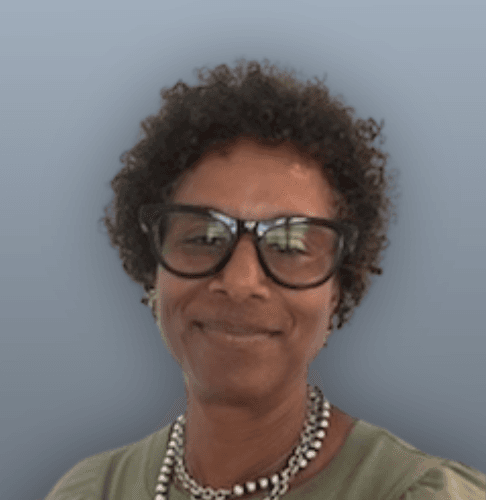
About Kimberly
Hi, I'm Kim Ellis, a licensed clinical social worker (LCSW) with over 15 years of experience in the human services field. I work with adults navigating anxiety, depression, stress, life transitions, relationship challenges, low self-esteem, grief, and the effects of past experiences. Many of my clients feel overwhelmed, stuck, or emotionally exhausted and are looking for practical tools to manage emotions, improve relationships, set healthy boundaries, and build confidence.
My approach is supportive, collaborative, and practical, integrating cognitive behavioral therapy, motivational interviewing, and solution-focused therapy. You can expect a nonjudgmental space, concrete coping tools, and support in creating meaningful, lasting change at a pace that feels right for you.
Seeking support takes courage, and you don't have to navigate life's challenges alone. Whether you're feeling overwhelmed, stuck, or simply ready for something different, I'm here to help. Together, we can work toward greater balance, healing, and confidence—and I welcome the opportunity to be part of that journey.

"As a therapist with over 15 years of experience, I believe meaningful change happens when clients feel genuinely heard, supported, and empowered to move forward at a pace that feels right for them. "

Get to know Kimberly
Why did you decide to become a counselor or psychiatric provider?
I decided to become a counselor because I've always been drawn to understanding people's stories and helping them navigate difficult seasons of life. Over the years, I saw how much pain people can carry in silence—anxiety, grief, trauma, relationship struggles, and selfdoubt—and I wanted to be someone who could offer support without judgment. What keeps me in this work is the belief that people are capable of growth and healing, even when they feel stuck or overwhelmed. I've learned that meaningful change often happens when someone feels truly heard, understood, and supported. Being able to walk alongside clients as they build coping skills, gain insight, and reconnect with their strengths is the most rewarding part of this profession for me. I don't see counseling as having all the answers for someone. I see it as creating a safe, collaborative space where we can make sense of what's happening and work toward a life that feels more balanced, authentic, and manageable.
What types of clients do you work best with?
I work best with adults who are struggling with anxiety, depression, stress, relationship challenges, life transitions, low self-esteem, and the lasting impact of difficult experiences. Many of my clients feel overwhelmed, stuck, or emotionally exhausted and are looking for practical tools, greater selfawareness, and healthier ways to cope. I especially enjoy working with individuals who are motivated to better understand themselves and create meaningful change. I am also committed to ongoing professional growth and am actively pursuing additional training to expand the populations and concerns I can effectively support in the future.
What's one thing you wish all clients knew about therapy, mental health, or the healing process?
I wish all clients knew that healing is not a straight line. Progress often happens in small, meaningful steps rather than dramatic breakthroughs, and setbacks do not mean you're failing. Therapy is not about being "fixed"—it's about gaining insight, building skills, and creating a healthier relationship with yourself. Some of the most important growth happens when you learn to give yourself the same compassion and patience that you so freely offer to others.
What can clients expect in their first session with you and in the early stages of therapy?
In the first session, you can expect a welcoming, nonjudgmental space where we begin getting to know one another. We'll discuss what brings you to therapy, your current concerns, relevant history, strengths, and what you hope to achieve through counseling. The early stages of therapy focus on building trust, identifying goals, and developing a plan that fits your unique needs. My goal is to help you feel heard, supported, and comfortable moving at a pace that feels right for you while beginning to build practical tools for lasting change.
How do you tailor therapy to meet each client’s unique needs?
I believe that no two clients are the same, so therapy should never be one-sizefits-all. I take time to understand each person's experiences, strengths, values, and goals before developing an individualized approach. While I draw from evidence-based practices such as Cognitive Behavioral Therapy (CBT), Motivational Interviewing, and Solution-Focused Therapy, I adapt these methods to fit the client's needs, preferences, and pace. My goal is to create a collaborative experience where clients feel understood, supported, and empowered to make meaningful changes that align with their lives.

Other areas of focus

Education and training
- Years in practice
- 15 years
- Graduating institute
- SUNY Buffalo
- Graduating degree
- Master in Social Work

Additional details


Practice information



Book your first session