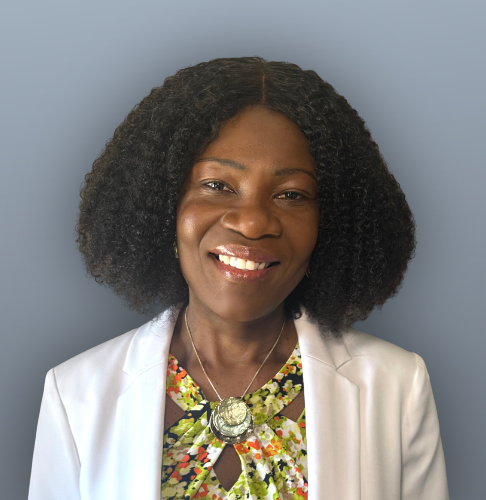
Alexis Broach
she/herLicensed Mental Health Counselor (LMHC)

 Anxiety, Depression, Life Transition, Self Esteem, Trauma / PTSD, Coping Skills, Stress / Mental Stress / Work Stress
Self pay costs
Out-of-pocket session costs for clients who don’t have insurance or aren’t covered by their insurance for mental health services.


I am a licensed mental health counselor who strives to create a warm, welcoming, and caring space where you can feel comfortable and understood. I work with teens and adults from all walks of life, supporting them through many different experiences and challenges. Together we set clear goals and work side by side, offering guidance and encouragement along the way. I have a lot of experience helping people manage depression, anxiety, and life transitions, build confidence, heal from trauma, and learn healthy boundaries. My practice is all about making sure you feel safe, supported, and confident as you make personal growth.
I love to build a strong rapport with clients early on, so they feel safe enough to address the difficult things that may arise in therapy. My approach to therapy primarily involves Cognitive Behavioral Therapy, Acceptance and Commitment Therapy, and trauma-informed care. I focus on helping clients feel empowered and ready to take on life's challenges.
No matter where you are in your journey, you can be confident that you have a partner in this process. Together, we will celebrate your successes, navigate challenges, and build on your strengths to help you move forward. You don't have to face this alone; with support and understanding, you can achieve lasting, meaningful change.


"As a Black woman who has experienced depression and anxiety while trying to navigate life's challenges, I have a genuine understanding of how impactful they can be. On the other hand, I also seriously understand how having insight, the right tools, and a strong sense of self-worth can be so life changing. "
Why did you decide to become a counselor or psychiatric provider?
I’ve always had an interest in psychology – how people work with themselves and others. I love learning about the human condition, and how people from all walks of life live. While psychology and education recite these things, it doesn’t always give the space to apply the things. That’s where therapy comes in. Therapy is a space that allows for the application of research and education. However, instead of a cold, stiff laboratory or classroom, a warm and inviting environment. I decided to be a therapist because I am passionate about providing a safe space for everyone to feel heard, understood, and respected. I enjoy getting to know people’s stories, guiding them to find their voice, and helping them create a strong sense of self-worth and confidence to navigate life adaptively. Not only do I enjoy sharing my knowledge to help others, but even more so, I appreciate learning from others. Therapy is a unique space in that it allows for all parties to share, educate, and inspire.
What types of clients do you work best with?
I work best with clients who feel motivated and sure in their decision to start therapy. This motivation doesn’t mean you have to have everything figured out or be completely confident from the start—simply having the willingness to show up and engage in the process is enough. Don’t get me wrong, nerves and apprehension are understandable, and I welcome you to explore them with me. It’s perfectly natural to feel uncertain or anxious about starting something new, especially when it involves opening up about personal experiences. In our work together, we’ll create a supportive space where you can express these feelings freely, and we’ll move at a pace that feels comfortable for you. Your readiness, combined with openness to explore both your strengths and vulnerabilities, sets the foundation for meaningful growth and positive change.
What's one thing you wish all clients knew about therapy, mental health, or the healing process?
One thing I wish all clients knew is that there is absolutely nothing to be ashamed of when starting or continuing therapy. Seeking support for your mental health is a sign of strength, not weakness. The confidentiality of therapy creates a safe environment where you can share your thoughts and feelings without fear of judgment or exposure. It’s also important to recognize that mental health challenges are a common part of the human experience, and reaching out for help is a courageous and proactive step toward growth and healing. We live in a society where stigma around mental health can make people feel isolated or reluctant to ask for support, but by choosing therapy, you are prioritizing your wellbeing and taking control of your life. I encourage you to embrace this journey with selfcompassion, knowing that you deserve care and understanding just as much as anyone else.
What can clients expect in their first session with you and in the early stages of therapy?
Think of our first session as a way to "set the stage." This initial meeting is about us getting to know one another in a relaxed, supportive environment, where we’ll begin building rapport and trust. We will discuss your experiences, goals, and hopes for therapy, as well as my approach to therapy and how I can support you. We’ll talk through your background, any important history, and the challenges you’re currently facing, so I can get a clear understanding of your unique perspective. Together, we’ll identify what’s most important to you and what you’d like to focus on. Within the first few sessions, we’ll collaborate to create a treatment plan tailored specifically to your needs. This plan will give us guidance and a clear path forward, outlining the steps we’ll take and the goals we’ll work toward.
What personal experiences or values inform your practice as a therapist/provider?
Compassion, empathy, and flexibility are three of my most important values, personally and professionally. I believe people deserve compassion and empathy; helping people feel heard and understood is a large part of what drives my work as a therapist. There are many things in life that we can’t choose, so creating a free and flexible space that allows for the many changes that happen in life is important to me.
How do you tailor therapy to meet each client’s unique needs?
No two people are the exact same. While we many have similarities, or share favorite things, that doesn’t make us the same person. The same is true for therapy. There may be similarities and overlap, but that does not mean that two people will have the same therapy journey. Just as I value flexibility for myself, I make it a priority for my clients as well.
- Years in practice
- 5 years
- Graduating institute
- Northern Kentucky University
- Graduating degree
- Master of Science in Clinical Mental Health Counseling