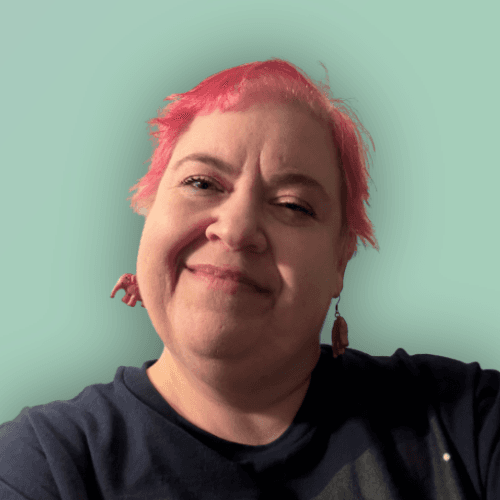
Kirsten Coveney Clarke
she/herLicensed Clinical Social Worker (LCSW)

 Sexual Abuse, Bipolar Disorder, Depression, Trauma / PTSD, Panic Attack, Substance Use, Anxiety
Self pay costs
Out-of-pocket session costs for clients who don’t have insurance or aren’t covered by their insurance for mental health services.
I entered this field because of my own mental health struggles. I understand loneliness and despair, the feeling that we don't fit no matter the situation. When I entered recovery, I realized I wanted to pay it forward. I am a Licensed Clinical Social Worker specializing in adults 18 and older experiencing life transitions, anxiety, trauma, relationship conflicts, medical concerns, substance use, and depression, with advanced training in Dialectical Behavior Therapy (DBT) and Cognitive Processing Therapy (CPT) for trauma. I listen to each person's story because I value who they are and want them to feel less alone or afraid.
My methods include educating clients on their symptoms and teaching them skills to manage them. I encourage, clarify, and validate, while letting clients talk openly. Education also includes tying the pieces together or finding the missing puzzle piece. I am transparent and alert. I want clients to feel relief and empowered to move forward.
I understand this process can feel overwhelming, daunting, or even frightening. I know what it is to carry guilt, sadness, even shame. You are not alone. You deserve to feel connected and happy. I want to be a support to you on this journey to recovery. I was always told I wouldn't be able to, but I did. I welcome the chance to help you find your path.


"I have lived through trauma, loss and abuse; my story is real and I know how hard it is to come through it but I also know how beautiful it is to find peace and love."
Why did you decide to become a counselor or psychiatric provider?
I entered the field of social work because I wanted to help others. I wanted people to feel understood and create hope. I was always told I was not worthy, that I would not be anything in life and would not have people to love me. That's a horrible place to live in, it's unbearable. I learned differently because of someone who treated me with compassion. I am in recovery and I want to pay it forward. I don't want anyone else to feel the way I did.
What types of clients do you work best with?
I work best with clients who want to change but are uncertain as to how. I work best with those who are somewhat scared but also want to find a better way to live. I work well with those who listen and recognize therapy can take time and it's ok to feel afraid. Change can be overwhelming.
What's one thing you wish all clients knew about therapy, mental health, or the healing process?
I wish all clients knew that the healing process is possible for everyone. We don't have to do or be anything in particular. We are all deserving of love, connection and safety. No matter our history or behaviors, we all deserve to be whole.
What can clients expect in their first session with you and in the early stages of therapy?
The first session and early stages are marked by trying to create rapport, to create a sense of safety. I strive to answer questions and address thoughts. I want to hear if someone is uncertain because I want to talk about that. I want people to feel like they can be themselves. I also try, if appropriate, to inject some humor as I believe humor can create comfort, which builds trust.
What personal experiences or values inform your practice as a therapist/provider?
The personal experiences which inform my practice are born from trauma. Trauma as an experience creates the path we travel on in many ways. We learn to protect ourselves, to avoid being seen, because of trauma. This increases anxiety, depression and a sense of loneliness because there is so much we feel we need to do to avoid being hurt. I spent years dealing with my trauma but it's part of my fabric and I am grateful for it. The values that guide me are compassion, empathy and kindness. Everything I do is guided by these values because without them I am not whole.
How do you tailor therapy to meet each client’s unique needs?
Therapy should always be tailored to the client. Our focus is to always meet people where they are at. I strive to understand people so that I can identify strategies or tools that would be useful to them. Attempting to force a round peg into a square hole doesn't work no matter what we do. The same can be said about therapy. Clients come to therapy for resolution, for understanding. If I don't pay attention to each person as a unique individual, I miss everything.
- Years in practice
- 26 years
- Graduating institute
- Fordham University
- Graduating degree
- Masters of Social Work