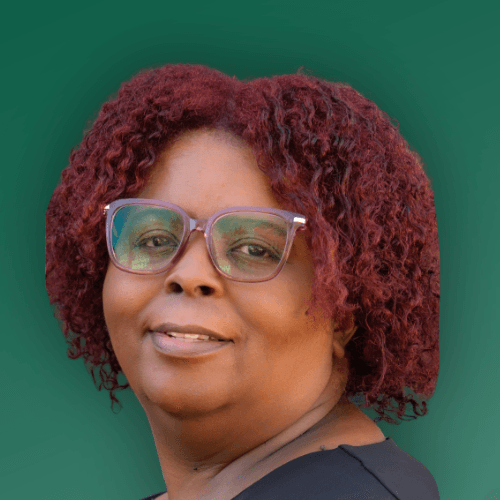
Iva Gee
she/herLicensed Master Social Worker (LMSW)

 Trauma / PTSD, Grief, Anxiety, Stress / Mental Stress / Work Stress, Obsessive-Compulsive Disorder (OCD), Relationships, Depression, Mood Disorders, Life Transition

Self pay costs
Out-of-pocket session costs for clients who don’t have insurance or aren’t covered by their insurance for mental health services.
My name is Iva Gee, and I am a Licensed Master Social Worker (LMSW) with extensive experience supporting children, adolescents, adults, couples, families, and older adults across outpatient, residential, and community-based settings. My clinical experience includes trauma-informed care, grief counseling, crisis intervention, and co-occurring disorders. I also support justice-involved individuals navigating incarceration and reunification. I incorporate Cognitive Behavioral Therapy (CBT), Dialectical Behavior Therapy (DBT) skills, Motivational Interviewing, psychodynamic approaches, and psychoeducation.
I am particularly passionate about supporting individuals and families affected by substance use, incarceration, trauma, and mental health challenges. I also enjoy working with children and adolescents to build confidence and healthy coping skills. I believe healing begins when you feel safe and empowered to explore your experiences without judgment.
I offer individual, family, and group therapy services, including grief counseling, anger management, court-mandated groups, employee assistance support, and gender-specific support groups, depending on availability and program needs. All sessions are offered virtually, providing a convenient and accessible way to receive support from your own space.

"Through my own healing journey, I have come to understand that healing looks different for everyone and that each person’s path is unique. I strive to create a safe, compassionate, and nonjudgmental space where you feel heard, understood, and supported as you navigate life’s challenges, recognize your strengths, and discover your own path toward growth and healing. Life can feel overwhelming when you are navigating stress, trauma, grief, substance use, relationship challenges, or mental health concerns. At times, managing everything on your own can feel exhausting, and reaching out for support takes courage. You do not have to face these challenges alone. Therapy offers an opportunity to explore your experiences, process difficult emotions, build resilience, and develop the tools you need to move forward with greater confidence and self-understanding."
Why did you decide to become a counselor or psychiatric provider?
My decision to become a counselor grew from my experience working in childcare with families involved with the Department of Children and Families (DCF) and children in foster care. Through these experiences, I witnessed the challenges families face and the importance of having compassionate, supportive professionals who can help them navigate difficult circumstances. This work inspired me to deepen my understanding of mental health, trauma, family dynamics, and the healing process. I wanted to make a meaningful difference in the lives of individuals and families by providing a safe, nonjudgmental space where they feel heard, supported, and empowered. My passion for helping others continues to guide my work as I support clients in recognizing their strengths, overcoming challenges, and finding their own path toward healing and growth.
What types of clients do you work best with?
I work best with individuals, couples, and families who are navigating life’s challenges and are open to exploring their experiences, building healthier coping skills, and working toward meaningful change. I enjoy supporting clients who are experiencing trauma, grief and loss, anxiety, OCD, depression, relationship difficulties, or major life transitions. I strive to create a safe, compassionate, and nonjudgmental environment where clients feel comfortable expressing themselves, processing difficult emotions, and gaining a deeper understanding of themselves and their relationships. I believe each person has unique strengths and the capacity for growth, and I value working collaboratively with clients at their own pace as they move toward healing, resilience, and improved emotional well-being.
What's one thing you wish all clients knew about therapy, mental health, or the healing process?
One thing I wish all clients knew about therapy and the healing process is that healing is not linear, and there is no right or wrong timeline for growth. Everyone’s journey is unique, and progress may look different from one person to another. Seeking support is not a sign of weakness; it is an act of courage and self-care. You do not have to have everything figured out before starting therapy, and you do not have to navigate life’s challenges alone. Therapy is a space where you can show up as you are, feel heard without judgment, explore your experiences, and learn new ways to cope and grow. Even small steps forward matter, and you deserve patience, compassion, and grace throughout your healing journey.
What can clients expect in their first session with you and in the early stages of therapy?
In our first session, my goal is to help you feel comfortable, safe, and supported as we begin getting to know one another. We will discuss what brings you to therapy, your current concerns, personal experiences, and what you hope to gain from our work together. I understand that opening up to someone new can feel overwhelming, so there is no pressure to share everything at once. We will move at a pace that feels right for you. In the early stages of therapy, we will work collaboratively to identify your goals, explore patterns that may be affecting your well-being, and develop coping strategies that support your emotional health and personal growth. My approach is compassionate, collaborative, and nonjudgmental, with an emphasis on building trust and understanding your unique needs and strengths. Therapy is a journey, and my goal is to help you feel heard, empowered, and supported as we work together toward meaningful and lasting change.
What personal experiences or values inform your practice as a therapist/provider?
My own healing journey and my professional experiences have shaped the way I approach therapy. Through my work in childcare with families involved with the Department of Children and Families (DCF) and children in foster care, I developed a deeper understanding of the challenges individuals and families can face and the importance of having compassionate, reliable support during difficult times. These experiences strengthened my passion for helping others feel seen, heard, and understood. I believe that every person has a unique story, and I value creating a safe, empathetic, and nonjudgmental space where clients feel comfortable being themselves. My practice is guided by compassion, respect, authenticity, and the belief that healing looks different for everyone. I strive to meet clients where they are, recognize their strengths, and support them in navigating challenges at their own pace. Above all, I believe that everyone deserves to feel supported, empowered, and hopeful as they work toward healing, personal growth, and emotional well-being.
How do you tailor therapy to meet each client’s unique needs?
I believe therapy should be as unique as the person sitting across from me. I take a clientcentered, collaborative approach by getting to know each individual’s experiences, strengths, challenges, values, and goals. I recognize that everyone’s healing journey is different, so I strive to meet clients where they are and move at a pace that feels comfortable and supportive for them. I tailor my approach based on each client’s needs, whether they are navigating trauma, grief and loss, anxiety, OCD, depression, relationship challenges, or major life transitions. Together, we explore patterns, develop healthy coping strategies, strengthen emotional awareness, and identify practical tools that support growth and healing. I also recognize that needs and goals can change over time, so I regularly check in with clients and adjust our work as needed. My goal is to create a safe, compassionate, and nonjudgmental space where clients feel empowered, understood, and supported in discovering what healing and progress look like for them.
- Years in practice
- 9 years
- Graduating institute
- Walden University
- Graduating degree
- Master of Social Work