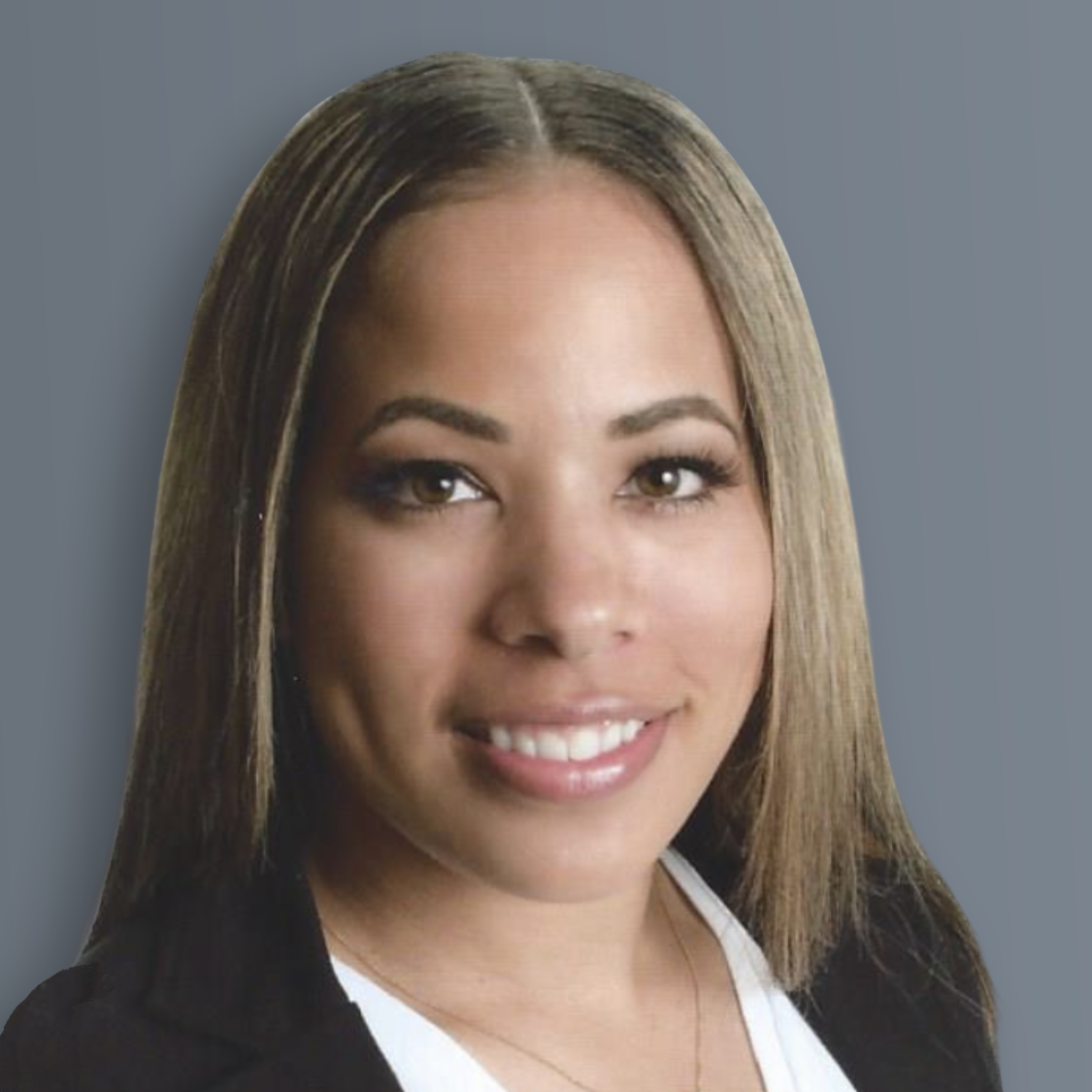
Moritha Alli
she/herLicensed Clinical Social Worker (LCSW)

This was my first experience having a therapy session and it was the best decision I could’ve ever made. I feel at Ease now that I was finally able to get therapy
Theodore, verified patient of Moritha
See what other patients say
 Behavioral Issues, Anxiety, Anger Management, Coping Skills, Caregivers, Divorce, Learning / Intellectual Disabilities, Depression, Grief, Life Transition
Self pay costs
Out-of-pocket session costs for clients who don’t have insurance or aren’t covered by their insurance for mental health services.
I am Licensed Clinical Social Worker with 4 years of experience helping children, teens, adults, and families find healthy ways to cope, communicate, and thrive. I work with those navigating stress, anxiety, family transitions, cultural identity concerns, adjustment, depression, or relationship struggles. Many of my clients seek to manage overwhelming emotions, heal from past experiences, and build confidence. As a Christian and a minority, I bring a perspective grounded in faith, resilience, and cultural understanding, creating an affirming space for clients who value the integration of their beliefs in the healing process.
I earned my Master of Social Work from Widener University. My approach is collaborative, compassionate, and tailored to each client’s needs. I draw from evidence-based methods such as cognitive behavioral techniques, mindfulness, and strength-based practices, while incorporating creative tools like play therapy and expressive activities.
I know that seeking support takes courage, and you don’t have to walk this path on your own. As a Christian, I believe in the power of hope, healing, and renewal, and I strive to create a space where faith and therapy can work hand in hand. If you’re ready to take the next step, it would be my honor to walk with you on this journey.


"I understand the unique challenges of navigating life as a minority, and I bring both personal experience and professional support to create a safe, affirming space where clients feel seen, heard, and empowered."
This was my first experience having a therapy session and it was the best decision I could’ve ever made. I feel at Ease now that I was finally able to get therapy
Theodore, verified patient of Moritha
I appreciated the fact that my provider listened/heard me and provided stimulating feedback
Adeline, verified patient of Moritha
Testimonials are from real patients who completed a post-session satisfaction survey and agreed to share their feedback. Results may vary.
Why did you decide to become a counselor or psychiatric provider?
I decided to become a counselor because I am passionate about supporting people through life’s challenges and helping them find hope, healing, and personal growth. My own experiences navigating life as a minority have given me insight into the unique struggles many clients face, and I wanted to use that perspective to make a meaningful difference. As a Christian, I am also drawn to serving others with compassion, empathy, and a sense of purpose, creating a space where clients feel valued, understood, and empowered to overcome obstacles and reach their goals.
What's one thing you wish all clients knew about therapy, mental health, or the healing process?
One thing I wish all clients knew is that therapy is a journey, not a quick fix. Healing and personal growth take time, and it’s normal to feel a mix of emotions along the way. Showing up for yourself consistently, being honest about your feelings, and practicing the skills you learn in therapy are what truly create lasting change. Everyone’s path looks different, and it’s okay to move at your own pace.
What can clients expect in their first session with you and in the early stages of therapy?
In the first session, clients can expect a warm, nonjudgmental space where we get to know each other and explore what brought them to therapy. I’ll ask questions about their experiences, goals, and current challenges, and we’ll discuss what a typical session will look like. In the early stages of therapy, we focus on building trust, understanding patterns, and identifying priorities for change. Clients can expect to leave sessions with a sense of clarity about their goals and practical strategies to start addressing their concerns, while feeling supported and heard every step of the way
How do you tailor therapy to meet each client’s unique needs?
I tailor therapy to each client’s unique needs by first understanding their personal experiences, strengths, and goals. I use a collaborative approach, inviting clients to share what feels most important to them and adjusting strategies to fit their style, preferences, and pace. Depending on the client, I may incorporate evidence-based techniques like cognitive-behavioral therapy, mindfulness, or play-based activities for children, while also considering cultural, familial, and faith-based factors. This individualized approach ensures that therapy is meaningful, relevant, and effective for each person.
- Years in practice
- 4 years
- Graduating institute
- Widener University
- Graduating degree
- Master Social Work