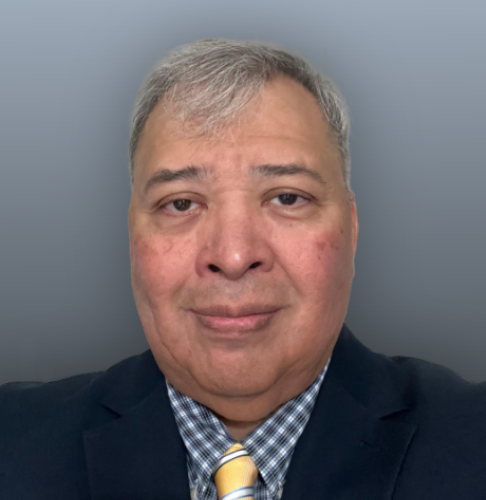
Benjamin Pedraza
he/himLicensed Professional Counselor (LPC)

 Depression, Grief, Anxiety
Self pay costs
Out-of-pocket session costs for clients who don’t have insurance or aren’t covered by their insurance for mental health services.
I am a licensed professional counselor (LPC) with 15 years of experience providing evidence-based psychotherapy. I work with adults and couples navigating trauma, grief, anxiety, infidelity recovery, and relationship challenges. Many of my clients feel stuck in painful patterns, overwhelmed by past experiences, or disconnected from their confidence and direction. I focus on helping clients build emotional awareness, strengthen coping skills, and create healthier patterns in their lives and relationships. My approach is active, structured, and relational.
I earned my master's degree in professional counseling from Grand Canyon University. I use EMDR and evidence-based approaches such as cognitive behavioral therapy to help clients process experiences, regulate emotions, and move toward change. For couples, I utilize Gottman Method techniques to strengthen communication and rebuild trust.
My goal is to provide a calm, supportive space where you feel heard, respected, and empowered to grow. Together, we will identify emotional roadblocks, develop practical tools, and build skills that support lasting progress. If you are ready to move beyond surviving and begin creating the life and relationships you want, I look forward to working with you.

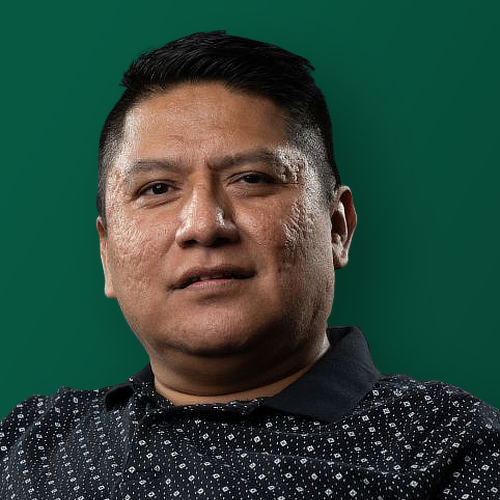
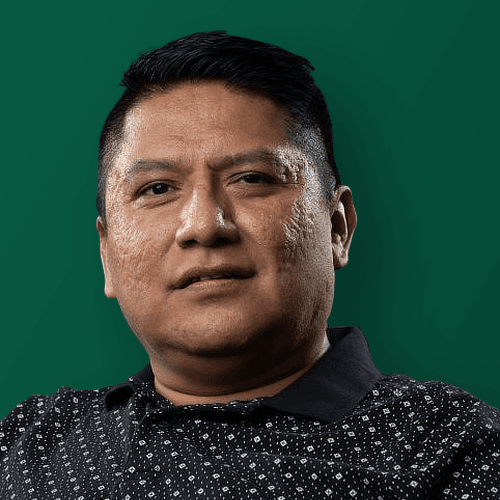
"As a man of color who has walked through trauma and grief, I offer you a grounded, steady presence where you feel safe, understood, and supported to clear emotional and psychological blocks, release limiting patterns, strengthen resilience, and move with confidence toward your fullest potential."
Why did you decide to become a counselor or psychiatric provider?
I became a therapist because I have always been curious about how people work. When someone feels stuck in anxiety, relationship conflict, or old emotional patterns, I want to understand what is driving it. What keeps the cycle going. What belief sits underneath the reaction. What early experience shaped the response. When you slow those patterns down and examine them, they start to make sense. And once they make sense, you can change them.
I also genuinely enjoy sitting with people and hearing their stories. I value real conversations. I value honesty. I value the humanity in each person who walks into the room. You are more than a diagnosis or a symptom. You are someone with history, strengths, fears, and goals. Being trusted with that is something I take seriously.
Therapy, to me, is not about me directing your life. It is about collaboration. You set the pace. You help determine what feels useful and what does not. Some people want structure and direct feedback. Others want space to process and reflect. We shape the work around what helps you move forward efficiently and meaningfully.
I commit fully to the people I work with. Your goals matter. Your growth matters. And I will walk alongside you with focus, respect, and steady support as you build the changes you want in your life.
What types of clients do you work best with?
I tend to work best with clients who feel ready, even in a small way, to grow. You do not need to have everything figured out. You do not need to feel fully confident. You simply need a willingness to look inward and take gentle, consistent steps toward your goals.
Many of the clients who thrive with me are reflective and curious about their patterns. They want to understand themselves more deeply, and they are open to translating insight into action. They recognize that change asks something of them, and they are prepared to show up, practice, and stay engaged in the process.
I also work especially well with clients who are open to guidance and support. Trust takes time. Safety builds through steady presence and aligned action. I create a grounded, calm space where you can settle, feel seen, and explore at your own pace. When you are willing to soften your guard, even slightly, and allow yourself to be supported, our work becomes more fluid and effective.
Some clients begin therapy feeling closed off, which makes sense given past experiences. Growth is still possible there. Yet I see the strongest movement when a client understands that we are working together. You bring your effort and honesty. I bring structure, attunement, and direction. In that shared space, change feels steady, supported, and achievable.
What's one thing you wish all clients knew about therapy, mental health, or the healing process?
One thing I wish every client understood is how powerful your willingness is.
When you choose to be open, even if your openness feels small at first, you set the process in motion. Therapy begins to move the moment you decide to look at what is not working and name what you want instead. Once we identify your goal together and agree on it, we have direction. We are no longer circling the problem. We are walking toward something.
There is usually a reason you seek support. Something feels misaligned. A pattern repeats. A relationship strains. A part of you senses that life could feel steadier, clearer, more fulfilling. When you commit to working through that, rather than around it, the outcome often reaches further than you expected.
The work asks for effort. It asks for honesty. It asks you to practice outside the session. Yet when you stay engaged and allow yourself to be guided, you begin to notice shifts. You respond differently. You feel more grounded. You make choices that align with your values.
Reaching a goal you once struggled with does more than solve a problem. It strengthens your trust in yourself.
What can clients expect in their first session with you and in the early stages of therapy?
In the early sessions, you can expect me to focus on understanding you in a thorough and thoughtful way. I am not in a rush to jump straight into techniques without clarity. I want to learn what creates difficulty for you, what you have already tried, what has helped even in small ways, and where you tend to feel stuck.
We look at patterns. We look at context. We look at strengths. I want to know what we can build on. Many people come in eager to fix what feels wrong. That makes sense. Yet in that urgency, you might overlook the resilience, insight, and coping strategies you already carry. Part of my role is to help you see those clearly.
When we identify what already works, even partially, we have a foundation. From there, we introduce new tools and skills in a way that fits you rather than forcing a formula. Our work becomes collaborative and intentional. You feel understood before you feel challenged.
That balance matters. When you feel seen and grounded in your strengths, growth tends to feel steadier and more sustainable.
What personal experiences or values inform your practice as a therapist/provider?
My philosophy begins with this belief: at your core, you already carry strengths that have helped you survive, adapt, and grow. Those strengths may not always be visible to you, especially when you feel stuck. Yet they are there. They have brought you to this point. I see part of my role as helping you recognize and honor them.
I also believe you are the expert on your lived experience. You know what it feels like to be you. You know your history, your relationships, your internal shifts. I bring professional training, clinical experience, and structured frameworks. When we combine your lived knowledge with my clinical lens, we create something more effective than either of us working alone.
For me, therapy is not hierarchical. It is collaborative. We sit on the same side, working toward clearly defined goals. You bring your insight, effort, and honesty. I bring guidance, skills, and perspective. In that sense, we function as a team.
When you are treated as capable and resourceful, while also being supported with structure and direction, progress tends to feel grounded and empowering.
How do you tailor therapy to meet each client’s unique needs?
I appreciate this question because it connects directly to how I begin therapy. In our early sessions, I listen closely. I want to understand your story, your experiences, your family dynamics, and how culture has shaped your beliefs, roles, and expectations. All of those factors influence how you cope, relate, and pursue change.
There will not be another therapy experience exactly like yours. Your strengths, personality, history, and values are distinct. As we identify those together, we shape the work around them. We look at what has helped you survive and succeed. We examine what feels limiting. We decide what deserves reinforcement and what needs adjustment.
I do not apply a fixed script. I gather information, observe patterns, and collaborate with you to determine what approach fits best. If structure and skill building serve you, we incorporate that. If deeper processing and reflection move you forward, we lean into that. If cultural context plays a central role in your challenges or strengths, we center it.
The process becomes tailored through careful listening, ongoing feedback, and shared decision making. As we understand you more clearly, the therapy becomes more precise, relevant, and aligned with who you are.
- Years in practice
- 15 years
- Graduating institute
- Grand Caynon University
- Graduating degree
- Master's of Professional Counseling (MS)