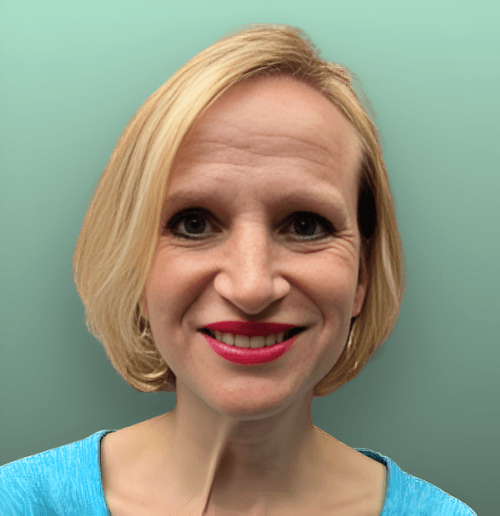
Amy Huang
she/herPsychiatric Mental Health Nurse Practitioner (PMHNP)

 Board certified
 Women’s Issues, Anxiety, Dissociative Identity Disorders (DID), Depression, ADHD, Sleep / Insomnia, Bipolar Disorder
Self pay costs
Out-of-pocket session costs for clients who don’t have insurance or aren’t covered by their insurance for mental health services.
I am a board-certified Psychiatric Mental Health Nurse Practitioner with 27 years of experience. I specialize in trauma recovery and helping clients heal from PTSD, dissociation, depression, and anxiety. My approach blends medication management with grounding techniques, psychoeducation, and supportive care. I create a safe, structured space where clients feel heard and empowered to rebuild trust, resilience, and connection. Healing is possible, and I’m here to walk with you through it.
I earned my Master’s in Nursing from the University of Pennsylvania. My approach is structured and supportive, focusing on finding the right treatment to stabilize mood, reduce distress, and improve daily functioning through compassionate and collaborative care.
I know how hard it can be to ask for help when you’re feeling overwhelmed or stuck. You deserve care that’s thoughtful, respectful, and tailored to you. I offer a safe, structured space where you can feel heard and supported. If you’re ready to take the next step, I invite you to schedule an appointment.

"As one who has experienced personal trauma and loss, I authentically believe there is a hero inside each of us who can seek help, connection, and healing to rise above the pain and live a whole, bright life."
Why did you decide to become a counselor or psychiatric provider?
I chose to become a psychiatric provider because I’ve seen firsthand how deeply mental illness can affect individuals and families. Growing up, I witnessed the impact of untreated depression, anxiety, and trauma within my own family—and the silence that often surrounded it. Those experiences shaped my commitment to creating safe, supportive spaces where people feel seen, heard, and empowered to heal.
What types of clients do you work best with?
I work best with adolescents and adults navigating the complex effects of trauma—especially those experiencing PTSD, dissociation, depression, anxiety, or ADHD. Many of my clients are high functioning but internally overwhelmed, seeking clarity, emotional stability, and reconnection with themselves and others. I also support individuals who’ve tried therapy or medication before but felt misunderstood or unsupported.
What's one thing you wish all clients knew about therapy, mental health, or the healing process?
That healing isn’t linear—and that doesn’t mean you’re doing it wrong. Progress can feel slow, messy, or even invisible at times, especially when you're working through trauma, anxiety, or depression. But every moment of insight, every shift in awareness, every time you show up for yourself—it all counts. Therapy isn’t about perfection; it’s about building safety, trust, and resilience over time. You’re not broken. You’re adapting, surviving, and learning to reconnect. That’s powerful.
What can clients expect in their first session with you and in the early stages of therapy?
In our first session, I conduct a comprehensive psychiatric evaluation to understand your history, symptoms, and goals. This includes a detailed clinical interview covering mood, anxiety, trauma, attention, sleep, medical background, and any prior treatment experiences. I ask targeted questions to assess diagnostic clarity and guide treatment planning. If medication is appropriate, we’ll discuss options thoroughly covering benefits, potential side effects, and how each aligns with your needs and preferences. I prioritize shared decision-making and always ensure you feel informed and empowered. In the early stages of therapy, you can expect a structured, supportive approach focused on stabilization, symptom relief, and building trust.
What personal experiences or values inform your practice as a therapist/provider?
One of the most formative influences on my practice is my own family’s history of mental illness. My work is grounded in evidence-based care, but it’s also guided by empathy and a commitment to honoring each person’s lived experience.
How do you tailor therapy to meet each client’s unique needs?
I tailor therapy by starting with a thorough psychiatric evaluation, looking closely at your symptoms, history, and goals. From there, I develop a treatment plan that reflects your unique experiences and preferences. For some, that means focusing on medication management to stabilize mood and reduce distress. For others, it may involve grounding techniques, psychoeducation, or supportive strategies to build emotional regulation and insight.
Does Amy prescribe medications effective for the treatment of ADHD?
Yes - when clinically appropriate, Amy may prescribe both non-stimulant and stimulant medication for the treatment of ADHD.
- Years in practice
- 15 years
- Graduating institute
- University of Pennsylvania
- Graduating degree
- Master of Science of Nursing