 Board certified
 Depression, Anxiety, Sleep / Insomnia, Bipolar Disorder

Accepted insurance & self-pay

About Anne
My name is Anne Stephen. I have been a nurse for the past 29 years and hold a Doctorate in Nursing Practice. I am a board-certified Psychiatric Mental Health Nurse Practitioner (PMHNP) with four years of experience providing comprehensive mental health care in outpatient settings. I have worked with individuals across the lifespan, supporting clients as they navigate conditions such as anxiety, depression, bipolar disorder, ADHD, and other mood and thought disorders. My goal is to help clients better understand their symptoms, develop effective coping strategies, and achieve improved balance and overall well-being.
My approach is collaborative, patient-centered, and evidence-based, combining psychopharmacology with supportive psychotherapy and coping strategies tailored to each client's needs. Clients can expect a supportive, nonjudgmental environment where they feel heard, are actively involved in their treatment, and are guided toward realistic, sustainable progress.
I strive to create a safe, supportive space where you feel respected, understood, and never judged. My goal is to meet you where you are and walk alongside you as you work toward healing, stability, and a more fulfilling life. If you are ready to take the next step toward improving your mental health, I would be honored to support you on your journey.

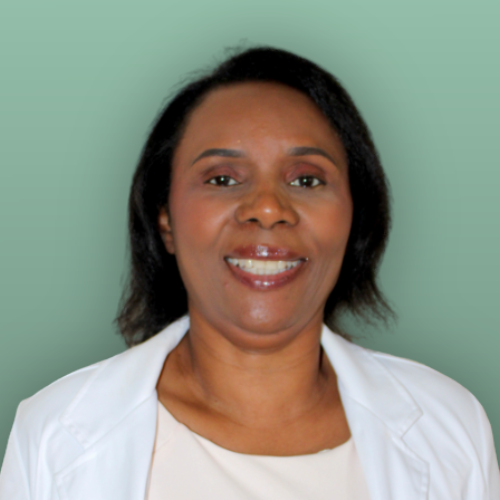
"I provide compassionate, culturally sensitive care, helping you feel heard while working together to build practical strategies for lasting mental wellness."

Get to know Anne
Why did you decide to become a counselor or psychiatric provider?
I decided to become a psychiatric provider because I developed a strong interest in understanding the connection between mental health, behavior, and overall well-being throughout my nursing career. After years of working with patients experiencing both medical and psychological challenges, I recognized how deeply untreated mental health conditions impact every aspect of a person’s life. I wanted to be able to do more than provide supportive care. I wanted to be directly involved in diagnosing, treating, and helping patients achieve stability and improved functioning. Becoming a psychiatric nurse practitioner allowed me to combine my clinical experience, compassion for patients, and passion for mental health into a role where I can make a meaningful and lasting difference in people’s lives.
What types of clients do you work best with?
I work best with clients across the lifespan who are experiencing mood, anxiety, or thought disorders and are motivated to engage in treatment to improve their quality of life. This includes individuals struggling with conditions such as depression, anxiety disorders, bipolar disorder, ADHD, and schizophrenia spectrum disorders. I also work well with clients who may feel overwhelmed, emotionally dysregulated, or stuck in unhelpful patterns and are seeking clarity, stability, and practical tools for coping. My approach is especially effective for clients who value a collaborative treatment relationship, are open to both medication management and therapeutic interventions, and are willing to actively participate in their care to achieve meaningful and sustained improvement.
What's one thing you wish all clients knew about therapy, mental health, or the healing process?
One thing I wish all clients knew is that healing is not a straight path, and progress often happens gradually through small, consistent steps rather than quick fixes. Mental health treatment is most effective when clients allow themselves patience and self-compassion, especially during periods of discomfort or setbacks. Symptoms may improve unevenly, but even small changes in thoughts, behaviors, or routines can lead to meaningful long-term improvement. Therapy and medication work best when they are part of an active, collaborative process where clients feel supported, understood, and engaged in their own growth.
What can clients expect in their first session with you and in the early stages of therapy?
On the first session, clients can expect a comprehensive psychiatric evaluation focused on understanding their current symptoms, mental health history, medical history, medication use, and overall functioning. I take time to listen carefully to each person’s concerns and gather the necessary information to make an accurate diagnosis and develop an appropriate treatment plan. Since my focus is primarily on medication management, early sessions are centered on identifying whether medication is indicated, reviewing treatment options, and discussing potential benefits, risks, and side effects in a clear and collaborative way. In the early stages of care, follow-up visits are used to monitor response to medication, make adjustments as needed, and track symptom improvement while also providing supportive guidance and basic coping strategies when appropriate. My goal is to ensure clients feel informed, supported, and actively involved in their treatment as we work toward symptom stability and improved functioning.
What personal experiences or values inform your practice as a therapist/provider?
My practice is guided by a strong commitment to compassion, respect, and cultural sensitivity, which have been shaped through many years of nursing experience working with diverse patient populations. I value treating each person as an individual with unique strengths, challenges, and life experiences, and I strive to provide care that is nonjudgmental, supportive, and patient-centered. I also believe in the importance of listening carefully and meeting clients where they are, recognizing that mental health recovery looks different for everyone. My clinical approach is informed by a dedication to evidence-based practice, lifelong learning, and the belief that every person deserves access to high-quality mental health care that promotes dignity, stability, and hope.
How do you tailor therapy to meet each client’s unique needs?
I tailor care by first conducting a thorough psychiatric evaluation to understand each client’s symptoms, history, strengths, cultural background, and treatment goals. From there, I develop an individualized treatment plan that may include medication management, supportive psychotherapy, and evidence-based interventions such as CBT, DBT skills, or motivational interviewing, depending on what best fits the client’s needs. I continuously reassess progress and adjust the treatment approach based on symptom response, side effects, and the client’s preferences and life circumstances. I also take into account factors such as stressors, support systems, and daily functioning to ensure that care remains practical, relevant, and sustainable. My goal is to provide flexible, patientcentered treatment that evolves with the client over time to support meaningful and lasting improvement.

Other areas of focus

Education and training
- Years in practice
- 28 years
- Graduating institute
- Aspen University
- Graduating degree
- Doctorate in Nursing Practice

Additional details


Practice information




Book your first session
