
Dorothy Forchu
she/herPsychiatric Mental Health Nurse Practitioner (PMHNP)

 Board certified
 Borderline Personality Disorder (BPD), Behavioral Issues, Autism, Bipolar Disorder, Anxiety, Antisocial Personality, Anger Management, Alcohol Use, Agoraphobia, Adoption
Self pay costs
Out-of-pocket session costs for clients who don’t have insurance or aren’t covered by their insurance for mental health services.
I am a psychiatric mental health nurse practitioner (PMHNP) with 12 years of experience providing evidence-based psychiatric care to adolescents and adults. I support individuals experiencing anxiety, depression, mood disorders, trauma-related concerns, and challenges related to major life transitions. My approach is collaborative and person-centered, with an emphasis on understanding the full context of each client’s lived experience.
I earned my master’s degree in nursing from Walden University. I specialize in comprehensive psychiatric evaluations, thoughtful medication management, and shared decision-making. When medication is part of treatment, I prioritize education, careful monitoring, and ongoing adjustments to ensure care aligns with each client’s goals and values.
I strive to create a safe, nonjudgmental space where clients feel heard, respected, and empowered. Whether you are seeking symptom relief, greater self-understanding, or support during a difficult season, I will work alongside you at a pace that feels right. Together, we will focus on meaningful progress and sustainable mental well-being.

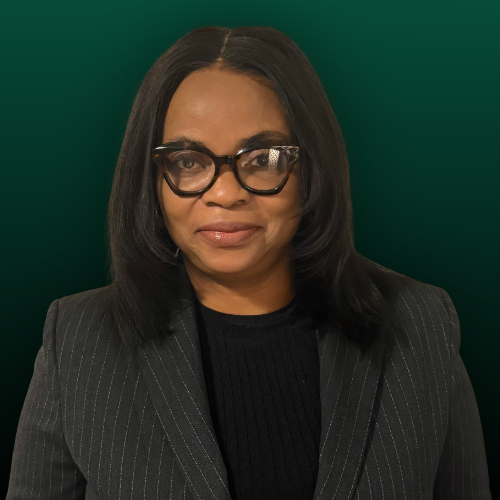
"I’m a psychiatric mental health nurse practitioner who believes healing happens through a collaborative, person-centered approach that respects your lived experience while grounding care in evidence-based practice."
Why did you decide to become a counselor or psychiatric provider?
I decided to become a psychiatric provider because I have always been drawn to understanding how the mind and emotions shape our experiences, relationships, and overall well-being. Early in my career, I saw how mental health challenges could profoundly affect people’s lives, yet many individuals struggled to find compassionate, individualized support. I wanted to bridge that gap — to provide care that combines clinical expertise with empathy, respect, and a genuine commitment to helping people feel heard and supported.
Over time, my experiences reinforced that mental health care is about more than treating symptoms — it’s about empowering people to understand themselves, develop coping skills, and build meaningful, sustainable change in their lives. Becoming a psychiatric mental health nurse practitioner allows me to blend science, clinical skill, and human connection to guide clients through their mental health journeys in a way that is collaborative, personalized, and rooted in hope.
I chose this path because I believe mental health matters, everyone deserves compassionate care, and supporting people through the ups and downs of life is both meaningful and deeply rewarding.
What types of clients do you work best with?
I work best with clients who are ready to explore their thoughts, emotions, and patterns in a collaborative and open way. This often includes adolescents and adults experiencing anxiety, depression, mood disorders, trauma-related concerns, ADHD, or challenges related to life transitions. I’m particularly effective with clients who want a balanced approach that combines evidence-based strategies with practical coping tools, and who value a space where they feel heard, respected, and empowered to make decisions about their care.
I also work well with clients who may feel stuck, overwhelmed, or uncertain about their mental health and are seeking clarity, guidance, or a structured plan to regain balance. Whether someone is new to therapy or has previous experience, I provide a supportive, nonjudgmental environment that meets clients where they are and adapts to their pace, needs, and goals.
Essentially, I work best with people who are willing to engage in the process, share honestly, and take steps toward understanding themselves and building strategies for long-term growth and well-being.
What's one thing you wish all clients knew about therapy, mental health, or the healing process?
One thing I wish all clients knew is that healing and growth don’t happen all at once, and that’s okay — progress often comes in small, sometimes invisible steps, not in sudden breakthroughs. Therapy is not about “fixing” yourself or reaching perfection; it’s about learning, understanding, and building tools that help you navigate life more effectively. It’s normal to feel uncertain, frustrated, or even stuck at times, and those moments are part of the process, not signs of failure.
Mental health is deeply personal, and what works for one person may not work for another. That’s why a collaborative, individualized approach matters: your experiences, values, and goals guide the journey. Over time, consistent effort, self-compassion, and support can lead to meaningful change, increased resilience, and a stronger sense of balance and well-being.
Simply put: it’s okay to take things one step at a time, to ask for help, and to trust that with patience and support, healing is possible — even if the path doesn’t always feel straightforward.
What can clients expect in their first session with you and in the early stages of therapy?
In your first session with me, you can expect a warm, welcoming, and nonjudgmental space where the focus is on getting to know you and understanding what brought you to care. I’ll take time to listen to your story, explore your concerns, and ask questions about your mental health history, daily life, strengths, and goals. This session is about building a foundation of trust and helping you feel comfortable sharing openly, while also beginning to clarify what support will be most helpful for you.
In the early stages of therapy, we work collaboratively to identify priorities, set achievable goals, and develop a personalized plan that fits your needs. You can expect a mix of discussion, reflection, and practical strategies tailored to your situation. If medication management is part of your care, we’ll review options thoughtfully, answer your questions, and make adjustments as needed. Throughout this process, I focus on creating a safe space for you to explore your thoughts and feelings while providing guidance, structure, and support.
Clients often find that the first few sessions help them gain clarity, feel understood, and begin building tools to manage stress, regulate emotions, and navigate challenges. The early stage of therapy is about laying the groundwork for growth, fostering self-awareness, and helping you feel empowered to take meaningful steps toward improved mental health and overall well-being.
What personal experiences or values inform your practice as a therapist/provider?
My practice is deeply shaped by my personal experiences and core values of empathy, curiosity, and respect for each person’s unique journey. Having witnessed the impact of mental health challenges—in the lives of people close to me—I understand how overwhelming, isolating, or confusing it can feel to navigate emotional struggles. These experiences have strengthened my commitment to creating a space where clients feel genuinely heard, validated, and supported without judgment.
I value collaboration, transparency, and cultural humility in care. I approach each client as the expert on their own life, and I work to meet people where they are, honoring their identities, backgrounds, and personal goals. I also deeply believe in the importance of resilience, self-compassion, and practical coping skills, and I aim to help clients recognize their strengths while building tools to navigate challenges.
Ultimately, my personal experiences and values remind me that mental health care is not just about treating symptoms — it’s about supporting the whole person. This perspective guides me to provide care that is compassionate, individualized, and focused on helping clients feel empowered to make meaningful, sustainable changes in their lives.
How do you tailor therapy to meet each client’s unique needs?
I tailor therapy by first taking the time to deeply understand each client’s experiences, goals, and values. This means exploring their mental health history, current challenges, strengths, and the context of their life — including relationships, work or school, culture, and personal identity. From there, I collaboratively develop a treatment plan that fits their unique needs rather than using a one-size-fits-all approach.
I combine evidence-based practices with practical tools that match the client’s learning style and lifestyle. For example, some clients benefit from structured skills-building exercises, while others respond better to reflective conversations that uncover patterns and insights. When medication is part of care, I integrate it thoughtfully with therapy, making adjustments as needed and ensuring clients fully understand their options.
I also prioritize flexibility and ongoing collaboration. As clients grow, goals may shift, symptoms may change, and life circumstances evolve — so I continually check in, adapt strategies, and invite feedback to make sure therapy remains relevant and effective.
Ultimately, the focus is on helping clients feel understood, supported, and empowered. By honoring their individuality and building a treatment plan around their unique needs, we work together toward meaningful, sustainable progress that feels achievable and aligned with who they are.
- Years in practice
- 11 years
- Graduating institute
- Walden University
- Graduating degree
- Masters of Science in Nursing